



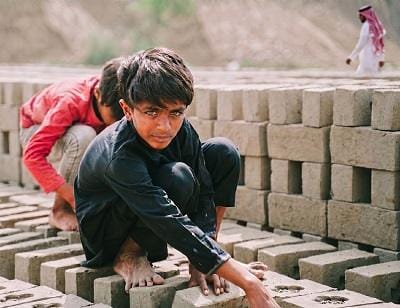
1 million Christians, many of them children, work for their freedom for as little as one penny a day. Outrages! In the scorching heat of brick kilns, entire families—many of them devout Christians—labor under a modern slavery that spans generations. Trapped by crushing debts known as peshgri, parents and children mold bricks by hand from dawn to dusk, breathing toxic dust while their hopes for freedom dim. Yet a powerful movement of compassion is breaking these chains, demonstrating that the greatest missionary act of love today may be the tangible liberation of God’s children from bondage.
This crisis is staggering. Estimates suggest up to one million Christians throughout the Middle East, representing as much as 30% of Pakistan’s Christian population, endure bonded labor. Extreme poverty forces desperate families to accept money for emergencies, only to face manipulated slaveowner repayment systems that make escape nearly impossible. As persecution researchers note, these cycles thrive on systemic discrimination against Christians, mostly by the Islamic communities, who are treated as second-class citizens.
Into this darkness step ordinary American believers answering a divine call. Christian organizations committed to rescuing families have seen God multiply efforts far beyond expectations. Through generous donations, the nonprofit has already freed approximately 300 families, most of whom are Pakistanis Christians—from the kilns.
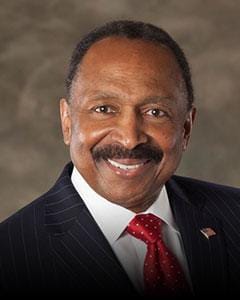
Aaron Hutchings, a retired IT professional from Idaho, exemplifies this growing movement. On his first trip to Pakistan in January, Hutchings paid off the debts of two families within hours of arriving. The emotional weight was immediate. “It changes an entire family’s future for generations,” he shared. Children who once saw only a lifetime of brick-making suddenly faced open-ended questions: “What do you want to be when you grow up?” In May, Hutchings returned to free ten more families, inspiring further support through intentional efforts.
What sets these efforts apart is their holistic approach to true freedom. The average cost of $8,500 per family covers more than repayment. Saving families provides legal paperwork, two months of rent and food, schooling for children (many previously illiterate), connections to local ministers, and even a tuk-tuk motorcycle taxi to generate sustainable income. The goal is not temporary relief but generational transformation—ensuring families never return to bondage.
This work echoes the heart of the Gospel. Jesus declared freedom for captives and good news for the poor (Luke 4:18). By paying debts, restoring dignity, and offering practical tools for flourishing, these missionaries embody sacrificial love. They show persecuted believers that they are seen, valued, and heirs to divine rights of provision and purpose. In a nation where bonded labor was outlawed in 1992 but enforcement remains weak, such acts confront injustice while shining the light of Christ.
The impact ripples outward. Freed families gain not only economic independence but renewed faith. Parents find jobs, children dream of futures, and entire communities witness the tangible power of God’s hand at work. As Hutchings reflected, “God’s hand was in it from the beginning… we ended up receiving more than we gave.”
This movement of love is expanding. More believers are mobilizing—through nonprofits, prayer, donations, and even personal trips—to confront modern slavery. It challenges the global Church to move beyond words into action, supporting the persecuted as family in Christ. In Pakistan’s kilns, where hopelessness once reigned, redemption stories are multiplying.
As this missionary love grows, it reminds us that freedom in Christ is both spiritual and practical. Every family liberated testifies to a God who breaks chains, restores inheritance, and calls His people to partner in unlocking divine rights for the oppressed.
What greater witness could there be than setting the captives free? In an age of widespread persecution, this may indeed be one of the most profound missionary endeavors of our time—proving that love in action still transforms lives and nations.