


Christian Churches Under Fire! In a troubling escalation of the ongoing conflict between Israel and Hezbollah, a salvo of rockets fired from Lebanon struck a church and an adjacent school in the predominantly Christian town of Jdeidet Marjayoun in southern Lebanon.
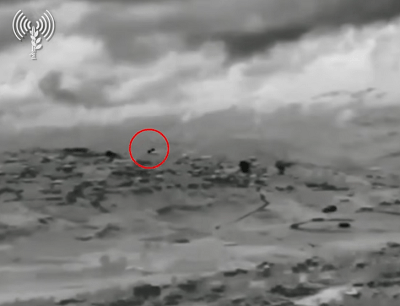
IDF footage released on May 29, 2026, captures the impacts, showing multiple rockets slamming into the Sacred Hearts Secondary School and nearby church structures. Local reports confirm the short-range launches originated amid clashes near Dibbin as Israeli forces operated in the area, though no Israeli troops were present at the church site itself.
Fortunately, no casualties were immediately reported from this specific strike, but the symbolism is unmistakable: a house of worship caught in the crossfire of modern warfare.
This incident is not isolated. Across the Middle East and beyond, Christian sites have increasingly found themselves in the line of fire—whether through deliberate targeting, collateral damage, or exploitation by militant groups.
Hezbollah has previously been accused of using church compounds and religious buildings as cover for military operations, turning sacred spaces into tactical assets. In one documented case, Israeli forces uncovered tunnel shafts and terror infrastructure near a church in Al-Khiyam. Such actions profane holy ground and endanger civilian worshippers, echoing a broader pattern where Christian communities, often caught between larger geopolitical forces, pay a heavy price.
The theme resonates deeply with predictions issued by prophetic voices like GodWorks.One, which have long warned that Christian churches would become explicit targets in an age of intensifying spiritual and physical conflict.
These forewarnings highlighted how houses of worship—symbols of faith, refuge, and community—would face attacks not merely as accidental victims of war, but as strategic and ideological objectives. Radical Islamist groups, including Hezbollah and its Iranian backers, view Christian presence in the region as an obstacle to dominance. By striking or commandeering churches, they send a message: no sanctuary is safe.
This development fits into a larger global trend. In the Middle East, ancient Christian communities in Lebanon, Syria, Iraq, and Egypt have dwindled under pressure from persecution, displacement, and violence. Churches have been bombed, burned, and seized.
In Nigeria and parts of sub-Saharan Africa, Islamist militants routinely attack Christian villages and places of worship. Even in the West, reports of vandalism, arson, and politically motivated disruptions at churches have risen, fueled by secular extremism, ideological clashes, or imported conflicts. Data from monitoring groups shows a marked increase in anti-Christian incidents worldwide, with churches accounting for a disproportionate share of faith-based attacks.
GodWorks.One predictions emphasized that these assaults would serve a dual purpose: to demoralize believers and to test the resilience of the global Church. As societies polarize and conflicts like the Israel-Hezbollah war drag on—despite fragile ceasefires—civilian infrastructure, including religious sites, suffers. The Marjayoun strike occurs against a backdrop of repeated violations, where both sides accuse the other of using populated and sacred areas for military gain. Hezbollah’s history of embedding rocket launchers near or within civilian zones, including Christian areas, exacerbates the tragedy.
For Christians, this raises profound questions about faith under fire. Biblical precedent abounds—early believers faced persecution in synagogues, arenas, and homes—yet the Church endured and expanded. Today’s warnings urge vigilance, prayer, and solidarity. Church leaders worldwide are called to bolster security without compromising openness, to support persecuted brethren through advocacy and aid, and to proclaim hope amid chaos.
The targeting of the church in Jdeidet Marjayoun should serve as a wake-up call. It validates concerns long voiced by prophetic ministries that Christian institutions are moving from peripheral casualties to intentional focal points in asymmetric warfare and cultural battles. As tensions simmer across borders and ideologies, the faithful must respond not with fear, but with renewed commitment to their mission: being light in darkness, even when that light draws opposition.
If predictions like those from GodWorks.One hold true, the coming years may test the Church’s strength as never before. Yet history shows that persecution often precedes revival.