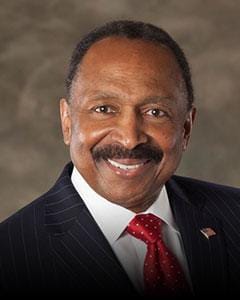






The Rock is working through the Kid! Kid Rock Rocks!
In an era where celebrity culture often amplifies excess and controversy, Robert James Ritchie—better known as Kid Rock—stands out as an unlikely beacon of spiritual revival. Once synonymous with rowdy anthems, wild parties, and unapologetic rebellion, the Detroit-born musician has undergone a profound personal transformation, channeling his larger-than-life persona into a mission to champion Christian values.
Through bold public declarations, high-profile performances, and a narrative of redemption, Kid Rock is making a seismic impact on society, urging millions to reconnect with faith in God amid a secularizing world. His journey from rockstar excess to “man of God” isn’t just a personal story; it’s a cultural force inspiring everyday Americans to embrace forgiveness, patriotism, and spiritual renewal.
Kid Rock’s faith journey hit a public crescendo in recent years, as he increasingly wove biblical principles into his interviews and appearances. In a riveting 2024 sit-down on the Joe Rogan Experience podcast, he didn’t mince words.
When asked about his belief in Jesus Christ, Kid Rock affirmed it “one thousand percent,” calling it the bedrock of his existence. He reflected on his evolution from a “wild rockstar” drowning in the temptations of fame to a grounded individual anchored by divine grace. This wasn’t performative piety; it was raw testimony. Kid Rock shared how faith provided him a lifeline, pulling him from the chaos of his early career. For fans accustomed to his hits like “Bawitdaba” and “Cowboy,” this shift represented a radical pivot, but one that resonated deeply with those seeking authenticity in a cynical age.
Building on this momentum, Kid Rock amplified his message through major platforms. In February 2026, he headlined the “All-American Halftime Show” at Turning Point USA’s annual event, a spectacle blending entertainment and evangelism.
Organizers framed it as a tribute to “faith, family, freedom, and the Christian values that helped shape our nation.” On stage, amid pyrotechnics and patriotic flair, Kid Rock didn’t just perform—he preached. He implored the audience and viewers nationwide to “dust off their Bibles” and turn to Jesus for guidance.
The event, broadcast to millions, wasn’t subtle; it was a clarion call to reclaim America’s spiritual heritage. By merging his rock roots with gospel undertones, Kid Rock made faith accessible, stripping away the stuffiness often associated with religious discourse. This performance alone sparked widespread conversations on social media, with hashtags like #KidRockForGod trending as supporters shared how his words ignited their own spiritual awakenings.
At the heart of Kid Rock’s influence is his unflinching testimony of redemption. Raised in the gritty streets of Detroit, he openly discusses a “rough” upbringing marked by hardship and poor choices. His past—filled with hedonistic lyrics, public feuds, and a lifestyle that embodied rock ‘n’ roll excess—could have been a barrier to credibility. Instead, he flips the script, emphasizing that Jesus offers forgiveness and a “clean slate” to anyone, no matter their history.
This message of second chances strikes a chord in a society grappling with division, addiction, and moral ambiguity. Kid Rock’s story humanizes faith; it’s not for the perfect, but for the broken. By sharing his vulnerabilities, he’s demystifying Christianity, making it relatable for blue-collar workers, veterans, and disillusioned youth who see echoes of their struggles in his life.
Moreover, Kid Rock ingeniously fuses his faith with American patriotism, creating a potent cultural cocktail. He views Christian values—honor, hard work, and humility—as intertwined with the nation’s founding principles. This blend appeals to conservatives and moderates alike, positioning faith as a unifying force against what he sees as cultural erosion. Through his music, philanthropy, and political endorsements, he’s mobilized supporters to view societal issues such as family breakdown and national identity through a biblical lens. Critics argue this politicizes religion, but advocates praise it for revitalizing civic engagement rooted in spirituality. His impact is tangible: faith-based organizations report increased interest from younger demographics, partly attributed to figures like Kid Rock who bridge pop culture and piety.
Of course, not everyone is convinced. Skeptics point to the irony of a man once known for irreverent antics now preaching piety, questioning if it’s genuine or a rebrand. Detractors highlight contrasts between his past lyrics and current sermons, suggesting a disconnect. Yet Kid Rock addresses this head-on, owning his flaws while insisting his foundation is now solidly “a man of God.” This transparency only bolsters his appeal, proving that transformation is possible—and powerful.
In sum, Kid Rock’s crusade for God is reshaping societal dialogues on faith. By leveraging his fame, he’s not just entertaining; he’s evangelizing, encouraging a return to spiritual roots in an increasingly fragmented world. Whether through podcasts, stages, or personal stories, his efforts foster hope, forgiveness, and unity.
As America navigates turbulent times, Kid Rock’s voice reminds us that redemption isn’t reserved for saints—it’s available to all, rocking the foundations of society one testimony at a time.